
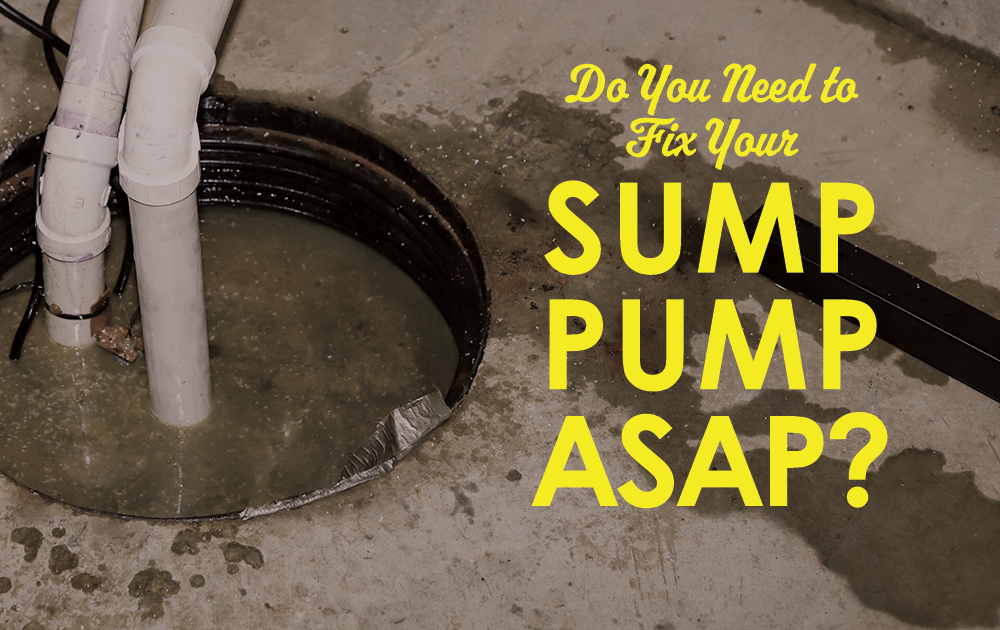
If your sump pump is connected to the sanitary sewer system, it needs to be corrected.
That’s the message the Town of Thompson Water and Sewer Department is trying to get out.
In Thompson, sump pumps, foundation drains, roof downspouts and other sources of stormwater or groundwater are prohibited from being connected to the sanitary sewer.
However, many homes and businesses have illegally connected sump pumps, with rain water going directly into the Thompson sewer lines.
Instead, sump-pump water should instead be discharged on your property (away from your foundation) or to another approved drainage location.
Wondering why this is such a big deal? Read on…
First issue: fines for you as a property owner. The Town’s Sewer & Water Department can investigate high sewer flows and identify improper connections through inspections, monitoring and camera work. Property owners may be required to correct illegal connections, and violations can result in fines.
Excess Rainwater Can Overwhelm Thompson’s Sewer Systems
One sump pump connected to the sewer line may seem like just a small issue. But dozens or even hundreds operating during the same storm can create a much larger problem.
Sanitary sewers are designed for wastewater from homes and businesses…NOT rainwater.
During storms, many sump pumps begin running at once. When that water is directed into the sewer, it has raised the flow by as much as 400% over normal levels, taking up capacity meant for sewage!
It Costs Everyone More
Once groundwater enters the sewer, it must be pumped and treated like wastewater. That means higher electricity, labor, equipment and treatment costs.
Over time, excessive flows can also increase the need for larger pipes, pumps and treatment capacity…costs ultimately shared by the sewer district, and you!
It Can Cause Sewage Backups
When stormwater overloads the sanitary sewer, pipes and pumps may not be able to keep up. This increases the risk of sewage backing up into basements and homes or overflowing from manholes.
It Puts More Strain on Town Equipment
Extra water forces pumps and treatment equipment to work harder and longer. Town employees must also spend additional time locating improper connections through inspections, monitoring and sewer-camera work.
It Can Affect Treatment
Large amounts of rainwater can overwhelm treatment systems and make wastewater more difficult to properly process. In severe cases, overloaded systems can contribute to untreated or partially treated sewage reaching streets, yards or waterways.
Let’s Review Why It Matters: Do Your Part!
Making sure your sump pump is not connected to the sanitary sewer helps:
- Reduce sewer costs
- Protect homes from backups
- Preserve sewer capacity
- Reduce wear on Town equipment
- Protect local waterways
- Avoid potential violations and fines
The bottom line: your sump pump should protect your home from groundwater and NOT send that water into a system designed to treat sewage.